Creating a created a popup collaborative space for creative and digital work led to collaborating with a diverse group of people, organizing an exhibition and making a documentary about the process. As the project exceeded the expectations of the team it created friendships and an environment where people looked forward to experiment and explore together.
Restoring the space
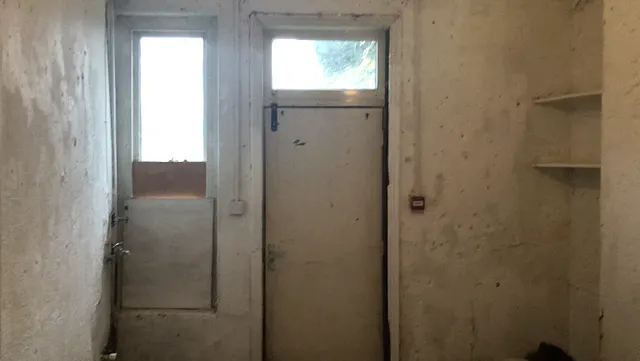
The basement was in pretty bad shape, it was cold and the walls and ceiling were covered in holes. Its unlikely anyone would want to spend time on a space in this state and it seemed like quite a lot of work had to be done so the first step was to determine how much work was required to restore the basement in order for it to become a usable space while keeping in mind we would only have access to the space for around 4 months.
A few tools were used to keep track of our progress. Trello was used to document tasks, set deadlines for each part of the project and kept track of ideas in a single place. Slack was adopted for communication which led to the creation of a Digital Media group where anyone interested in its many topics was welcome to join and there were multiple projects going on in different channels, beyond this project. 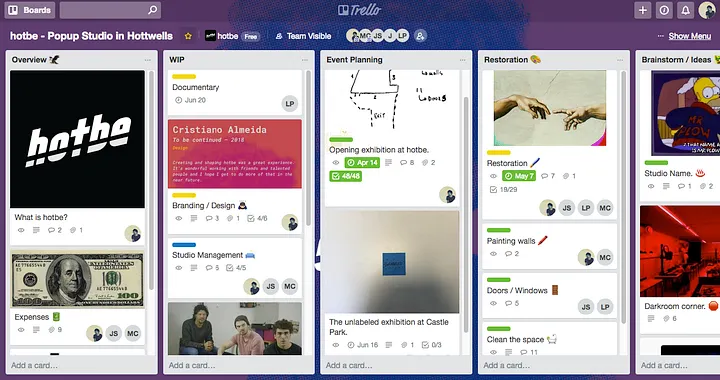
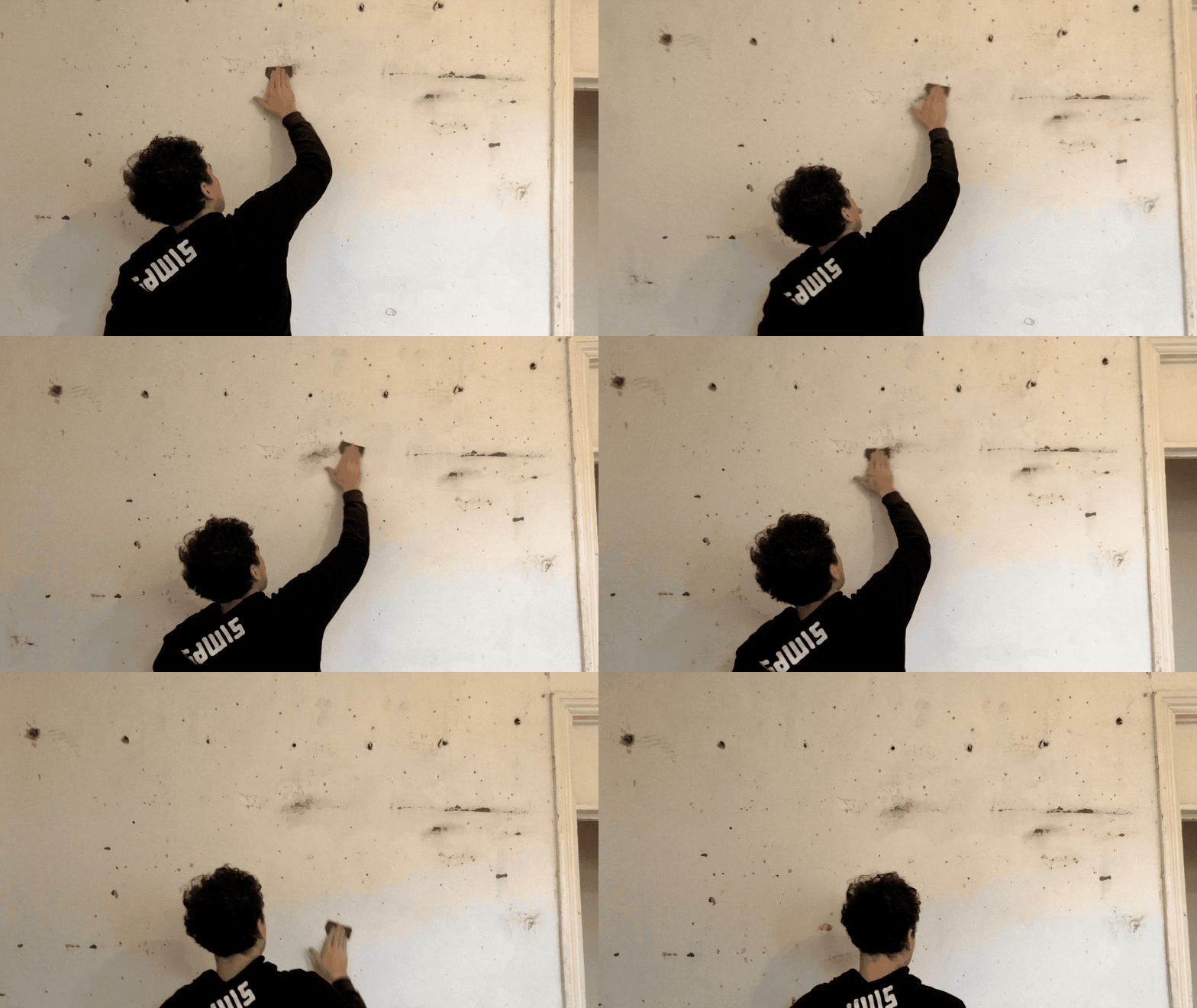
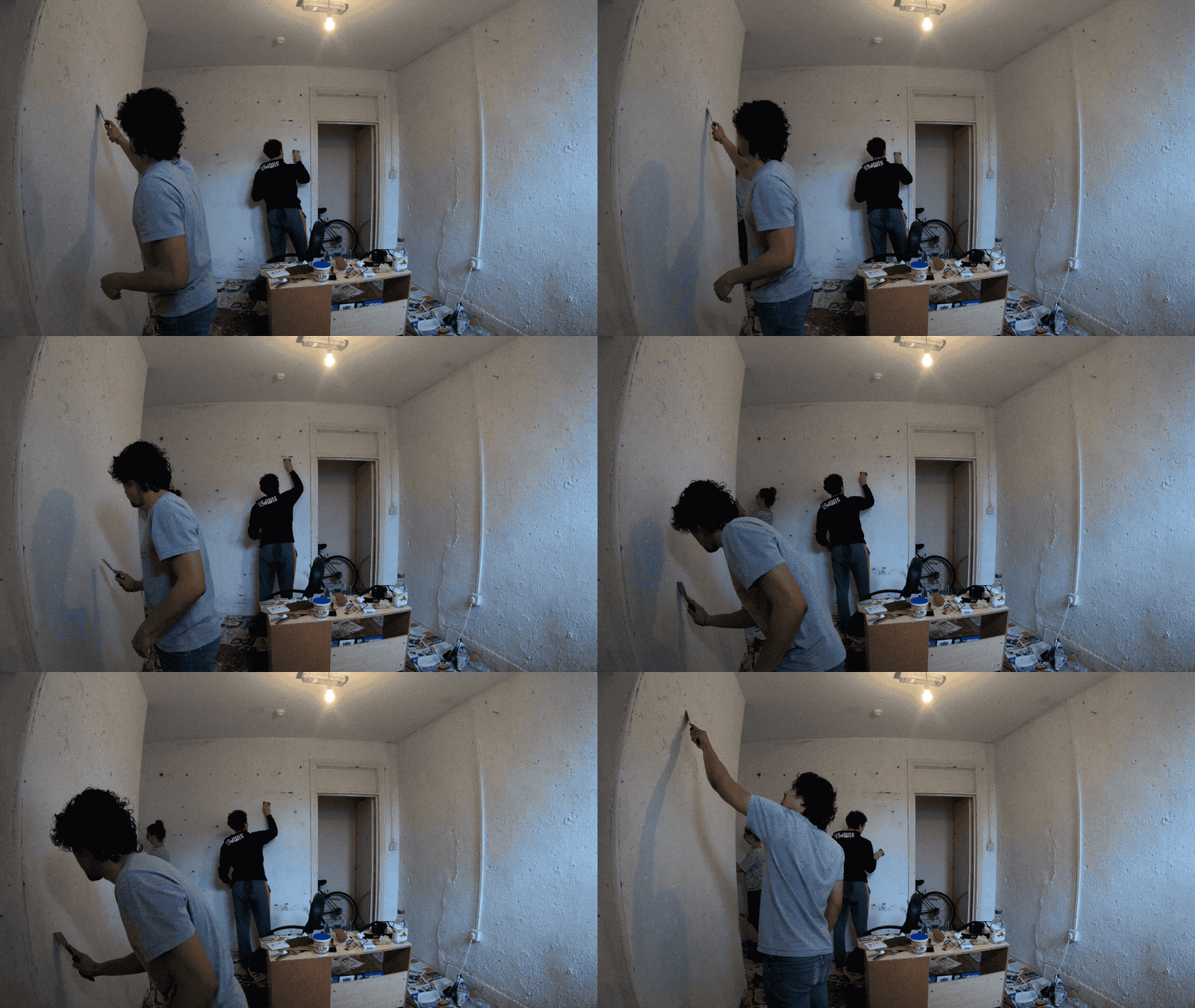
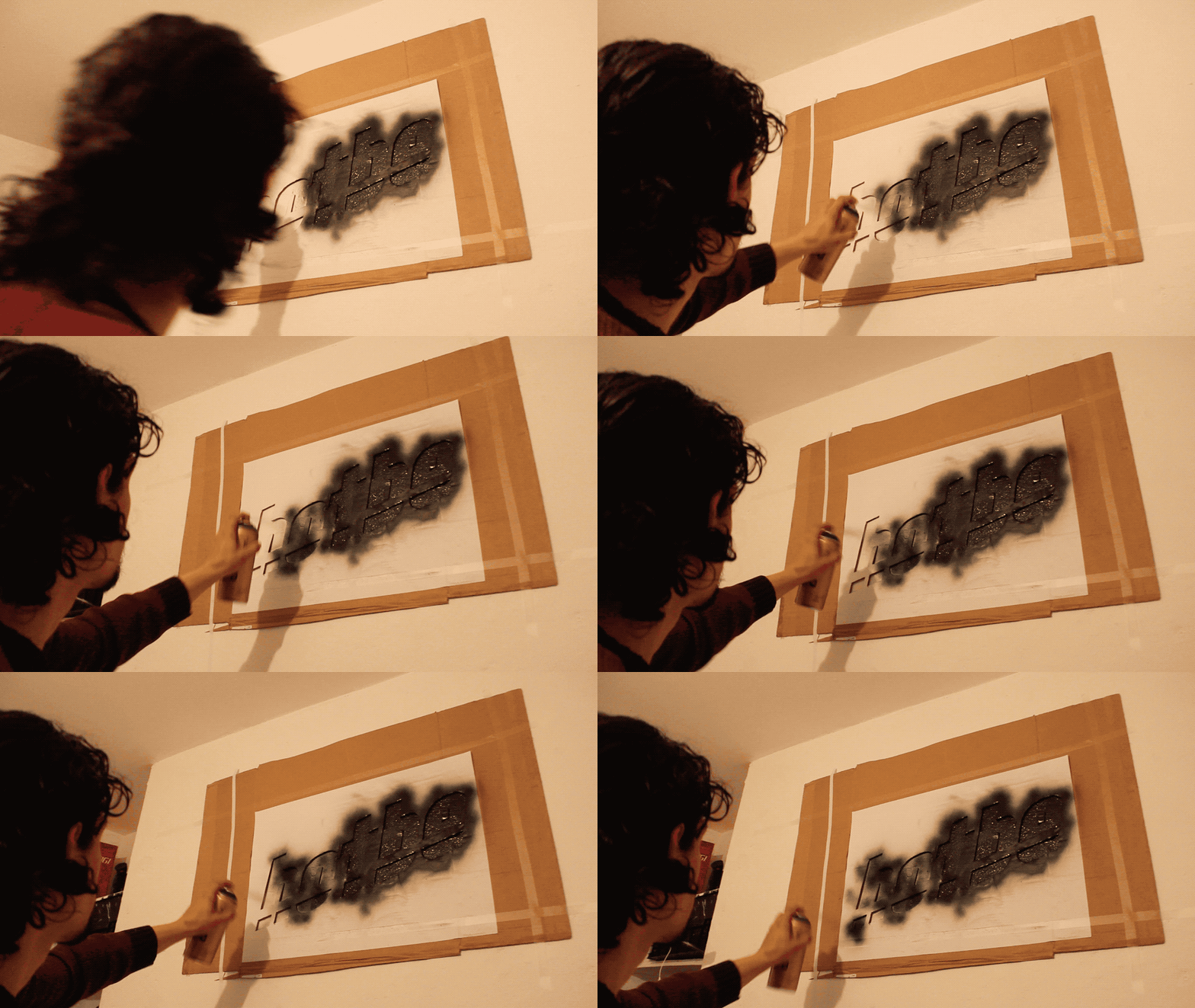
Being flexible and accessing progress allowed costs to be kept down to only what was necessary and avoid tasks to be blocked. The walls were sanded, the holes covered, more sanding was done and a few layers of paint brought the basement back to shape in no time. Unwanted pallets were used to create seats and shelving space and the logo was added to the wall which was developed alongside with the ongoing work in the basement.
Developing an identity
The space would then be used as a hot desk and a studio space for collaborative work mostly focused on digital media fields such as photography, video and web but open to any other creative experiments. There were also plans to host screenings, art exhibitions and network events. This led to thinking about how the project would be presented to someone to the public with branding work being developed as a result.


The concept of the logo stems from the idea of the method the team developed over time. There was a great commitment to the project besides there being profits involved. Making decisions on ideas and executing them fast naturally became part of the ethos of the group. The logo aims to convey the same sense of speed and momentum present in the project.
Planning and organizing an exhibition
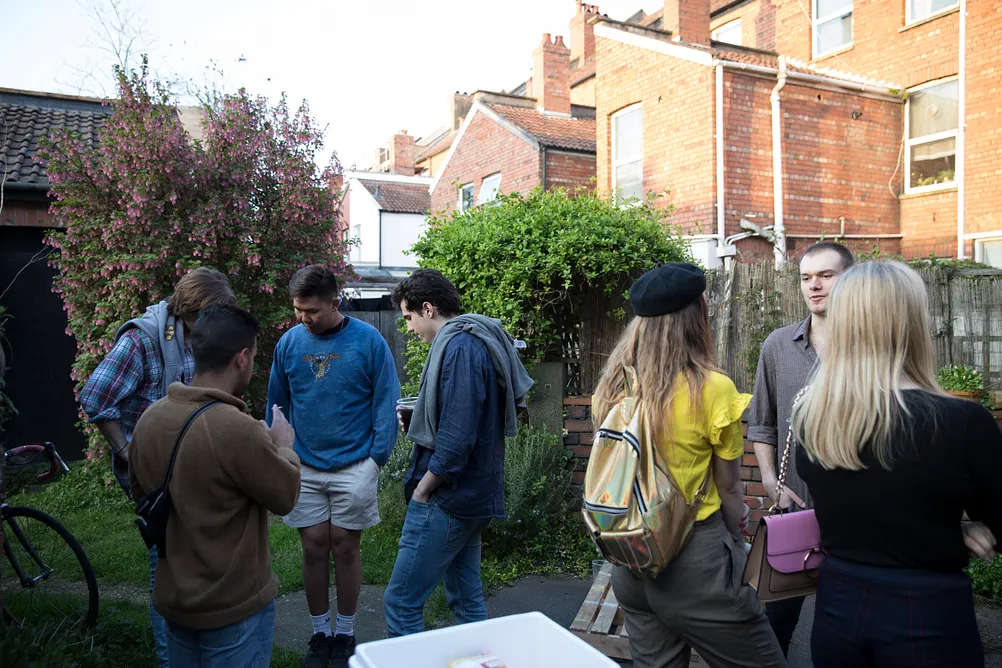
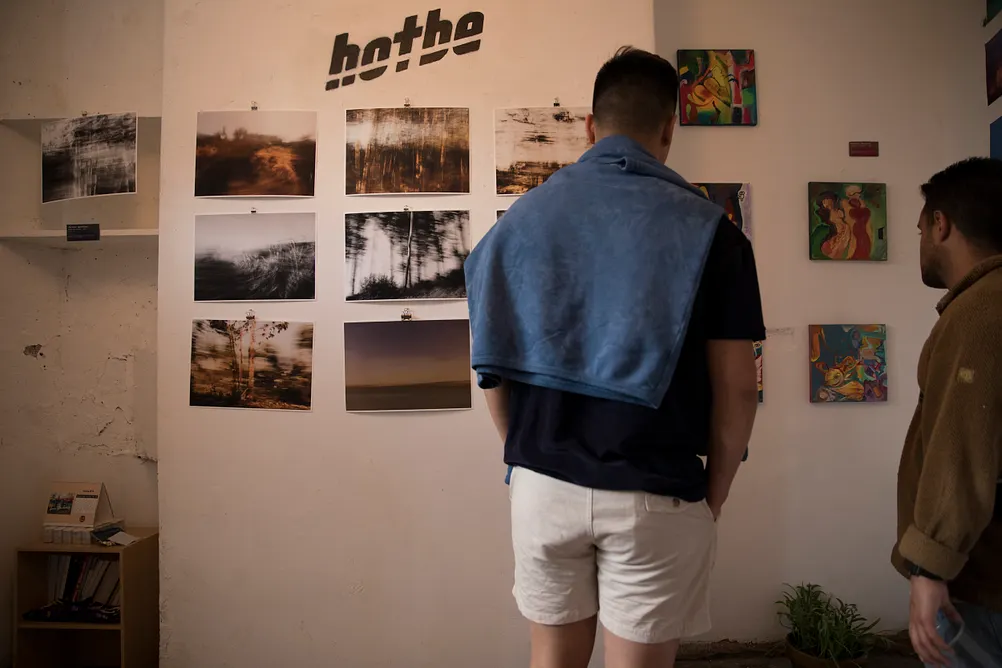
An exhibition was then hosted at the space. This was a great experience that involved putting together a free event, promoting it, issuing invitations and offered food, drinks as well as the opportunity the artwork and get to know other creatives. The artwork was spread across the walls of the space and included two photographers, one illustrator and an oil painter. There was little experience between the team in organizing an event of this nature, however, everyone has played a role, from project management and logistics to curating artwork and food preparation.
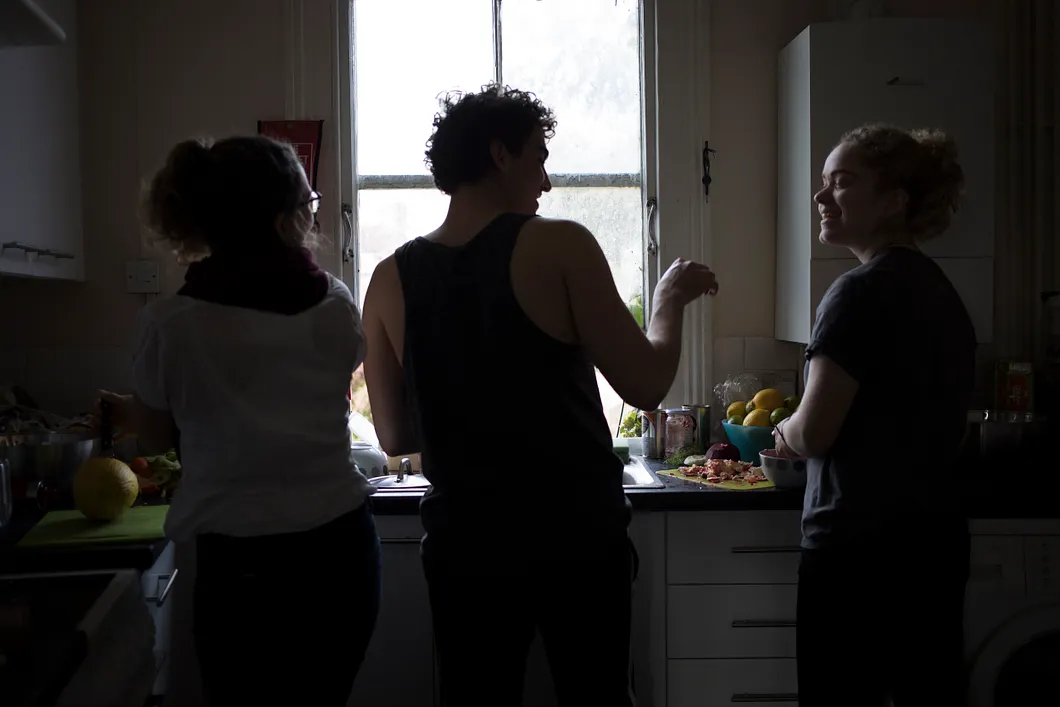
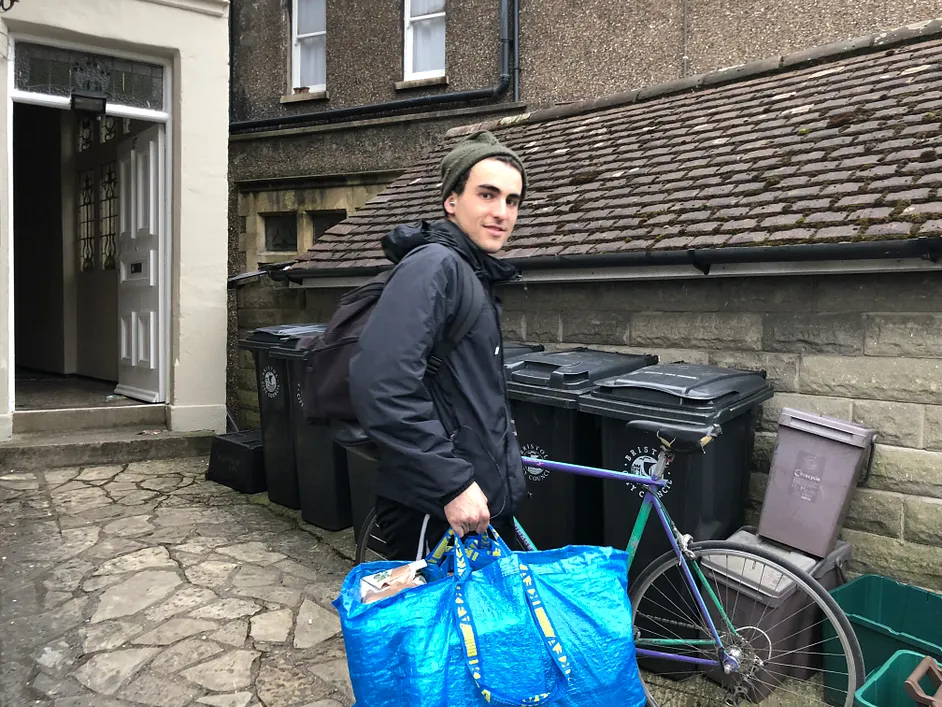
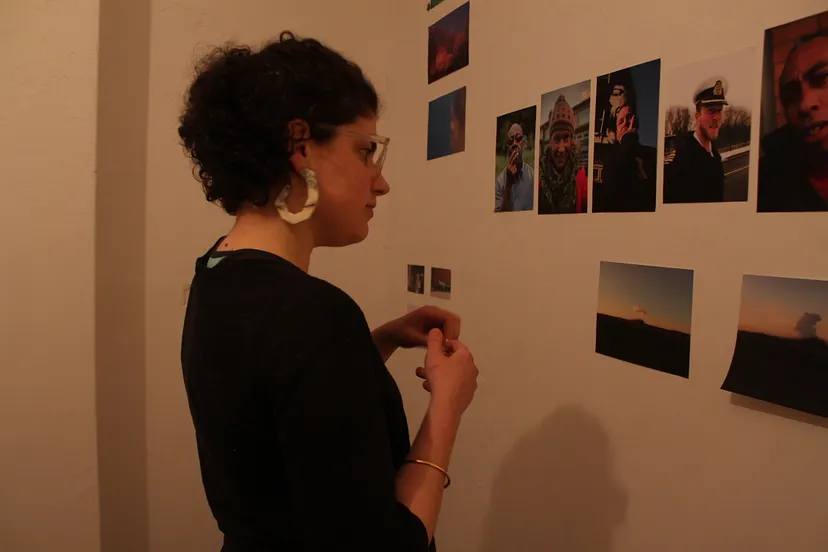
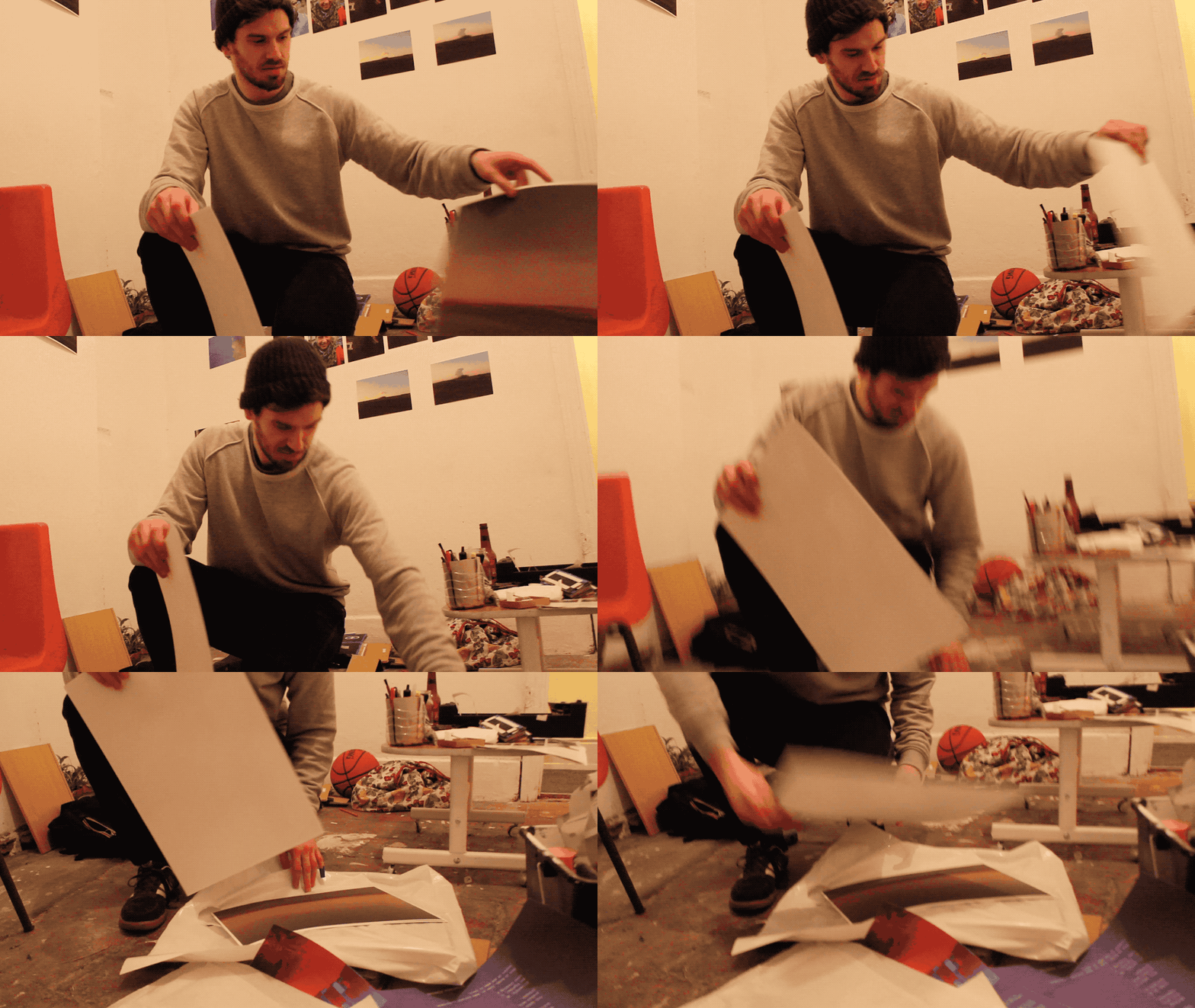
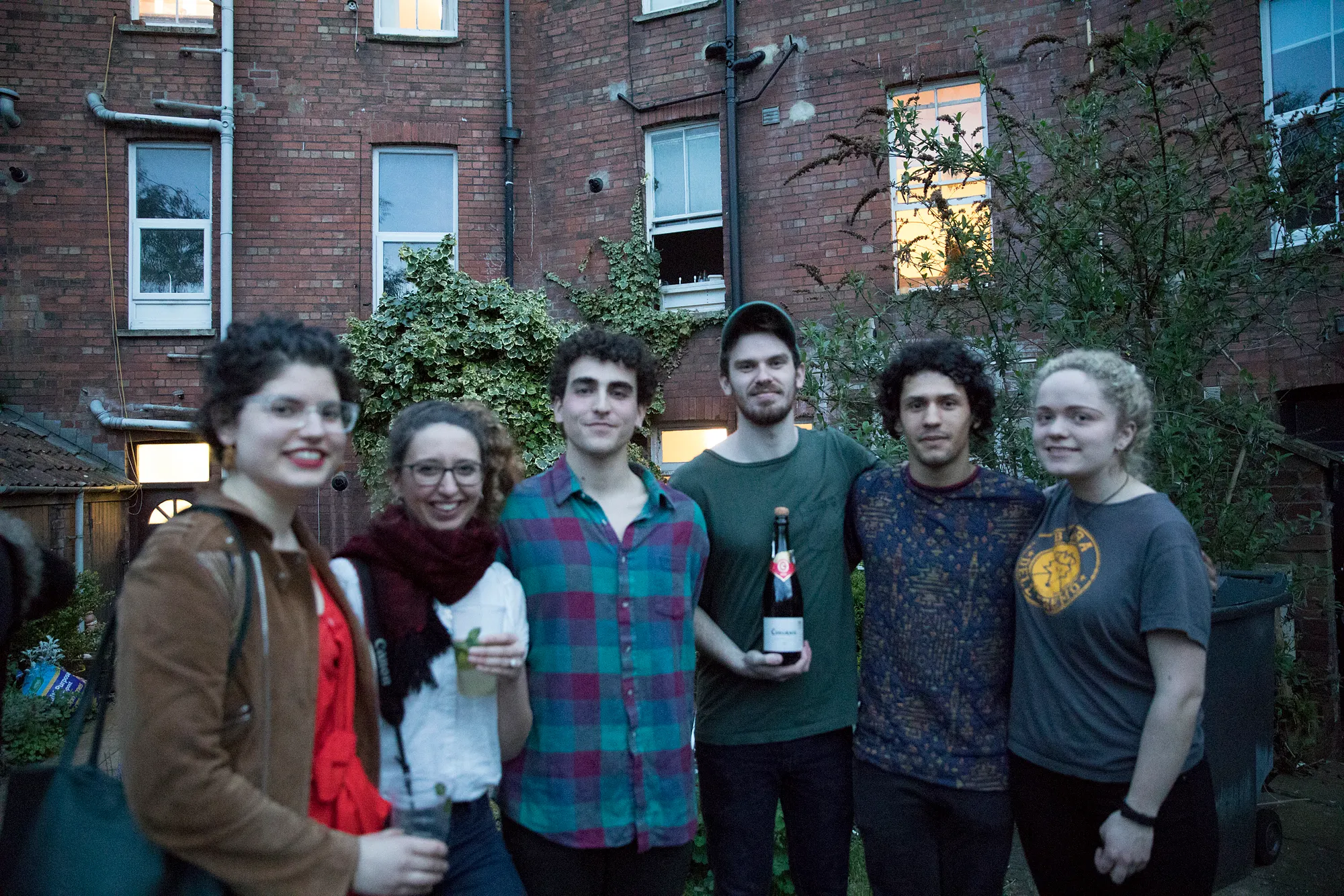
Over 40 people showing up to the popup exhibition, surpassing our expectations considering this was organized by a collective of people no one knows about. The feedback was overwhelmingly positive and most attendees have shown interest on a future event. It was surprising that so many people would turn up to see underground artwork.
However, despite the exhibition having a great turnout and attendees looking forward for events in the future we have found these are unsustainable from a financial perspective. It would be great to address this in future events by experimenting funding through suggesting donations or a sponsor and keep these events completely free.
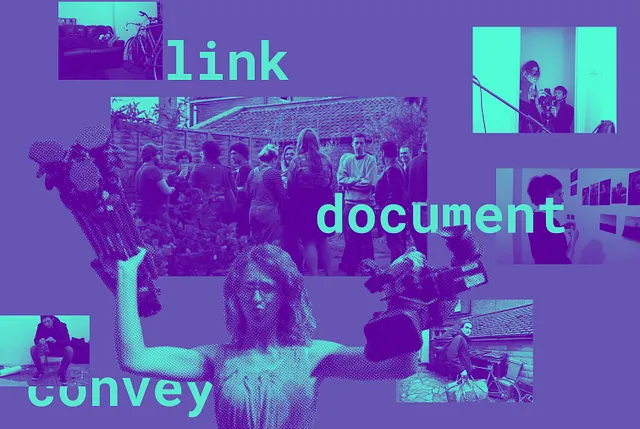
Additional work was produced alongside these other projects this can be described mostly as short experiments. One of these resulted in a project around exploring art and content consumption through unconventional mediums. The team as also put together a short documentary about how hotbe came to be as an exercise of creativity and again to experiment and learn from creating this kind of content.
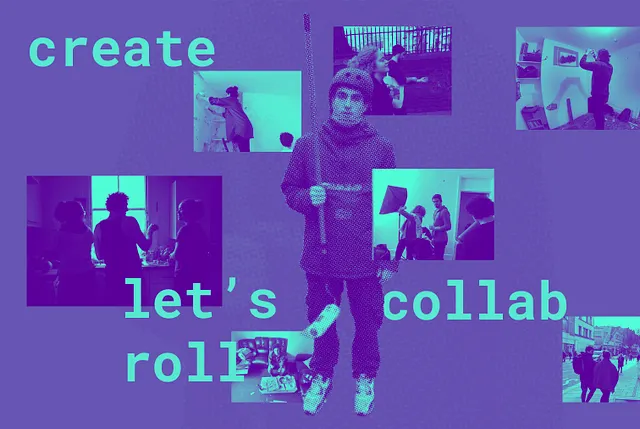
Initially hotbe was perceived as a space to create but the concept evolved to become a hub to support the need to explore creation processes and learn new things with each other focused on the ones who took part rather than being centralized to the space itself. This allows hotbe to be iterative not rooted. Having openness to learn and to share created an environment based on collaboration and team work. Anyone that possesses true interest in what they do can enable another to grow.